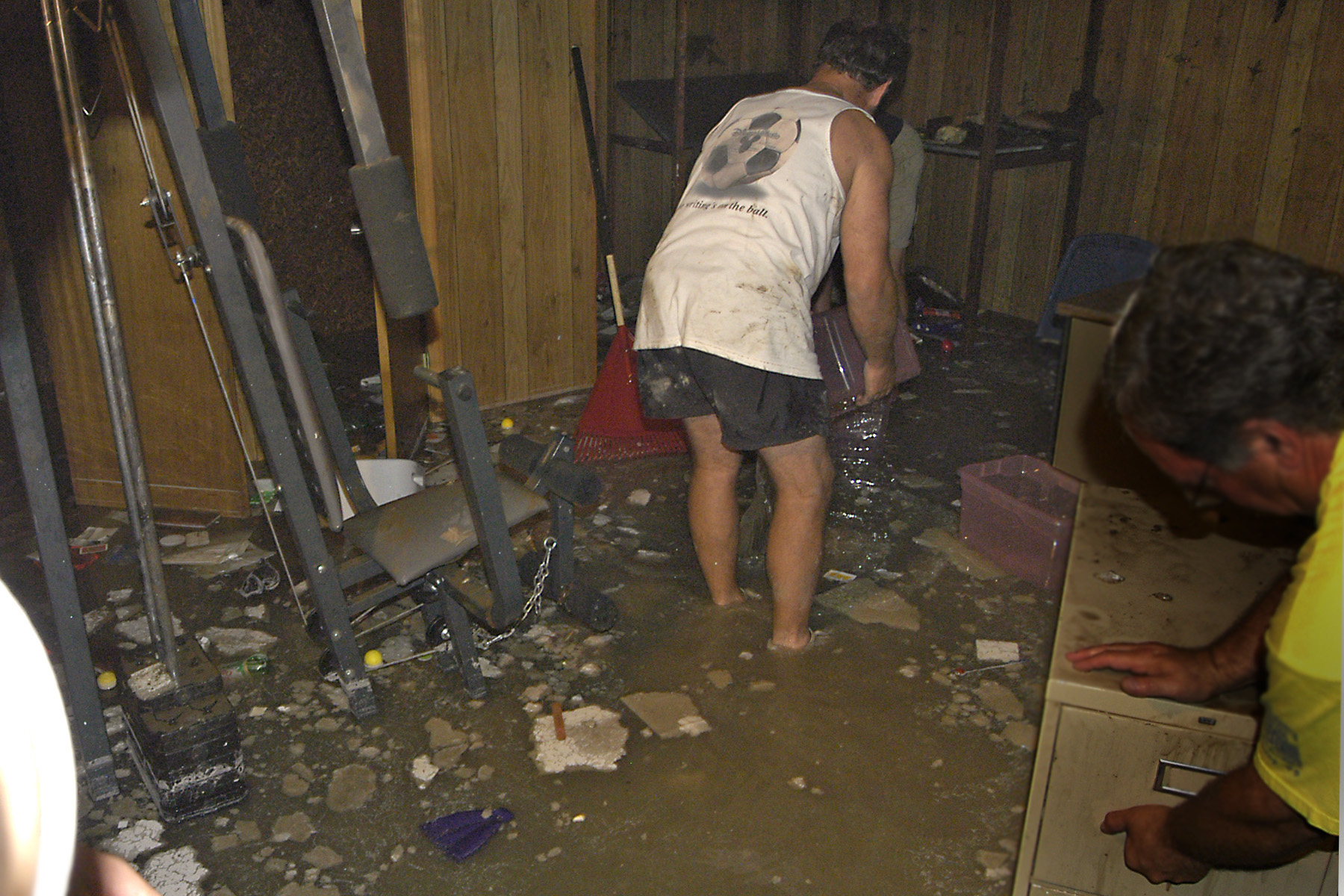
If you have a soggy basement, you're not alone. The American Society of Home Inspectors, based in Des Plaines, IL, estimates 60 percent of U.S. homes have wet basements, and 38 percent run the risk of basement mold.
The water most often comes from rainfall and melting snow. Even a small storm can trigger a deluge a house with a 1,500-square-foot roof sheds 1,000 gallons of water for every inch of falling rain. In tougher cases, the problem is rising groundwater, which may even be fed by an underground spring. Once the water accumulates around your foundation, it works its way inside through cracks, joints, and porous material.
What to do if Your Basement Floods
If your basement has flooded, there are some really important things you should know. When in doubt, don’t enter the flooded area until you are told it is safe by a professional qualified to do so.First and foremost, consider your family’s health and safety.
Entering a wet basement could be hazardous! Before you enter your basement, consider the following:
- Electrical Shock – When your basement is wet, there is a legitimate risk of electrical shock. If you are positive that you can safely do so, turn off your home’s power at the main breaker switches.
- Gas leaks – Protect yourself against gas leaks. If you smell gas, leave the house right away
- Pollutants – Sewage can contain bacteria and transmit disease and the floodwater in your basement may have originated from the sanitary sewer and contain raw sewage. Wear protective items including gloves, safety glasses, a face mask and be sure to wash thoroughly after any contact with sewage or items touched by sewage.
- Chemicals – Cleaning may expose you to a wide range of contaminants, including those from the cleaning agents being used, as well as those that may have entered from flood waters. When you get to the cleaning stage, be sure to ventilate well and limit your exposure to contact and exposure as best you can.
- Structural damage – While this is not that common, a flood with certain conditions may weaken walls or even ceiling structures. If there is any concern that structural integrity has been compromised, or you simply don’t know, leave the area and call in the experts.
Call a ServiceMaster of Prescott immediately.
Depending of the nature of the flooding, also consider…
If the flooding is due to a burst water supply pipe in your home, and if you are safely able to do so, shut off the main incoming water valve as this could help minimize the damage. You will probably know this is the case because the water will be clean, and likely coming down through the house from an upper level. In the future, make note of where this shut-off is and keep access clear.
If the flooding is due to a sewage backup (or you are not sure), do not flush the toilet, run a washing machine, dishwasher or any other feature with a drain since this is likely to increase the flooding.
For more information on restoration services see ServiceMaster of Prescott

No comments:
Post a Comment